Kelley's Sewage Cleanup
Slater, IA · 50244 Basements · Bathrooms · Crawl Spaces · Businesses

Category 3 Water Cleanup in Slater, IA Near Me

Category 3 is the grossly contaminated water class, sewage included. Local crews follow stricter tear-out and disinfection steps.

Sewage Backup Cleanup
Local Cleanup Crews
Category 3 Procedures
Homes and Businesses

Restoration crews sort water damage into three categories by contamination. Category 1 is clean supply water. Category 2 carries some contamination, like washing machine discharge. Category 3 is the grossly contaminated class: sewage, toilet water with waste in it, and water that has sat long enough to turn. If your water falls into that last group in Slater, IA, we connect you with a local crew that follows Category 3 protocols.

Why the category changes the job

The category decides what gets thrown out. Under the IICRC S500 guideline, porous materials exposed to Category 3 water, carpet pad, drywall, insulation and upholstery, are generally removed rather than cleaned. With clean water, the same carpet might be dried in place. That is the big difference, and it is why the crew identifies the source first.

Water can also change category. A clean supply line leak that sits in a warm basement for a few days can degrade toward Category 3, which is one reason to call early instead of waiting. Crews also look at what the water picked up on its way: if it ran across a garage floor or through a wall cavity full of old insulation, they may treat it at a higher category than the source alone suggests.

Category 3 protocol in plain terms

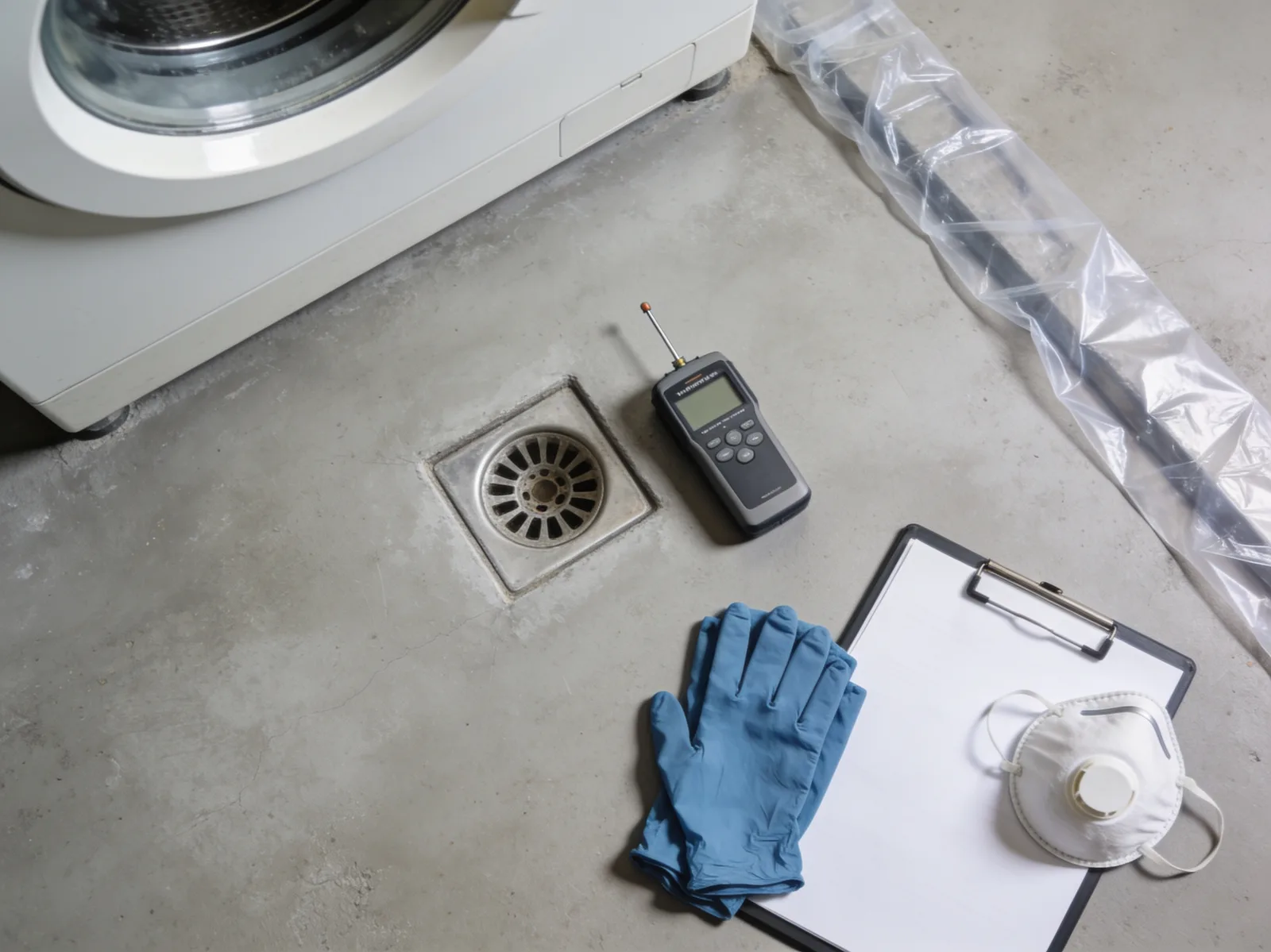
  • Crew wears gloves, boots, eye protection and respirators
  • Affected area separated from the rest of the house with plastic sheeting where needed
  • Standing water extracted and solids bagged
  • Porous materials removed below a set cut line
  • Remaining surfaces cleaned, then treated with disinfectant and left for the listed contact time
  • Structure dried with air movers and dehumidifiers and checked with meters

For the disinfection step on its own, see sewage sanitization.

Common Category 3 sources in homes

Most Category 3 calls come from inside the plumbing: a main line backup through a floor drain, a toilet overflow where the bowl held waste, or a septic system pushing back into the house. Our pages on toilet overflows and septic backups walk through those cases. The cause of a plumbing backup may need a plumber, and the cleanup crew can point out what they saw.

What affects cost

Category 3 work costs more per square foot than clean water drying, mostly because of tear-out, disposal, protective gear, containment and disinfection time. The total depends on area, depth, how long the water sat and what materials are in the room. A bare concrete utility room is a very different job from a carpeted family room with built-in shelving.

Keep everyone, pets included, out of the affected space. Call (217) 404-1483 and we will connect you with a crew that handles Category 3 water cleanup in Slater, IA.
How cleanup works

Four steps to a clean, dry space in Slater, IA

01

Stop the water

Shut off every fixture, keep kids and pets out, and take photos from a dry spot. Then call and tell us where the sewage is.

02

Get matched with a crew

We connect you with a local sewage cleanup crew covering Slater, IA and you go over the scope, timing and price with them.

03

Extract and remove

The crew pumps out the sewage, bags solids and cuts out carpet, pad and drywall that soaked it up.

04

Disinfect and dry

Hard surfaces get cleaned and disinfected, then air movers and dehumidifiers run until moisture readings show dry.

Coverage

Sewage Cleanup Across Slater, IA

Sewage backup cleanup across the neighborhoods and ZIP codes around Slater, IA.

ZIP codes we serve

50244
Category 3 Water Cleanup in Slater, IA

Sewage cleanup FAQs

Frequently asked questions about sewage cleanup

Questions we hear most about Category 3 Water Cleanup in Slater, IA.

Talk to a real person
Does homeowners insurance cover sewage backup?
<p>Often not by default. Many standard homeowner policies exclude water that backs up through drains or sewers unless a sewer backup or water backup endorsement was added. Check your declarations page or call your agent. If you do have coverage, document everything before cleanup starts: photos, video, a list of damaged items, and the date and weather. Keep damaged items until the adjuster says otherwise, and ask the cleanup crew for moisture logs and a written scope. That paperwork helps either way.</p>
Is it safe to stay in the house after a sewage backup?
<p>It depends on how much of the house is affected. Many families stay home when the backup is limited to a basement or one bathroom that can be closed off. Keep children, pets and anyone vulnerable out of the affected area, and don't walk through it without boots and gloves. If sewage reached living areas, the HVAC returns or the only bathroom, staying elsewhere for a few days may make more sense. The crew can tell you which areas are off limits while they work.</p>
How do I get rid of a sewer smell after a backup has been cleaned?
<p>A lingering smell usually means something is still wet or contaminated: carpet pad left in place, drywall that wicked higher than anyone checked, or damp framing. Moisture readings help find it. A dried-out floor drain trap can also let sewer gas in, and pouring water down the drain often fixes that. Deodorizing only works after the source is gone. Our page on <a href="/services/sewage-odor-removal">sewage odor removal</a> explains how crews track the smell down.</p>
What is the difference between a sewer backup and a septic backup?
<p>A sewer backup happens on homes connected to a public sewer, when the lateral or the city main can't carry the flow. A septic backup happens on homes with their own tank and drain field, when the tank is full or the field stops absorbing. Inside the house, the cleanup is similar. The fix is different: a plumber or the sewer utility for a sewer line, a septic contractor for the tank. See <a href="/services/septic-backup-cleanup">septic backup cleanup</a> for how those two jobs fit together.</p>
Does drywall have to be removed after a sewage backup?
<p>Drywall that absorbed sewage is usually removed. Gypsum and its paper facing soak up water and wick it upward, and contaminated drywall can't be reliably disinfected. Crews measure the wet line with a moisture meter and make a flood cut a foot or more above it. Insulation inside the wall comes out too. The studs usually stay, and get cleaned, disinfected and dried before new drywall goes up. Details are on our page for <a href="/services/sewage-damaged-drywall-removal">sewage damaged drywall removal</a>.</p>

Book sewage cleanup

Sewage Backup in Slater, IA? Call now.

Tell us where the sewage is and we connect you with a cleanup crew covering Slater, IA. Scope, timing and price are gone over on the call. (217) 404-1483.

Call (217) 404-1483 Services